
 828-712-7945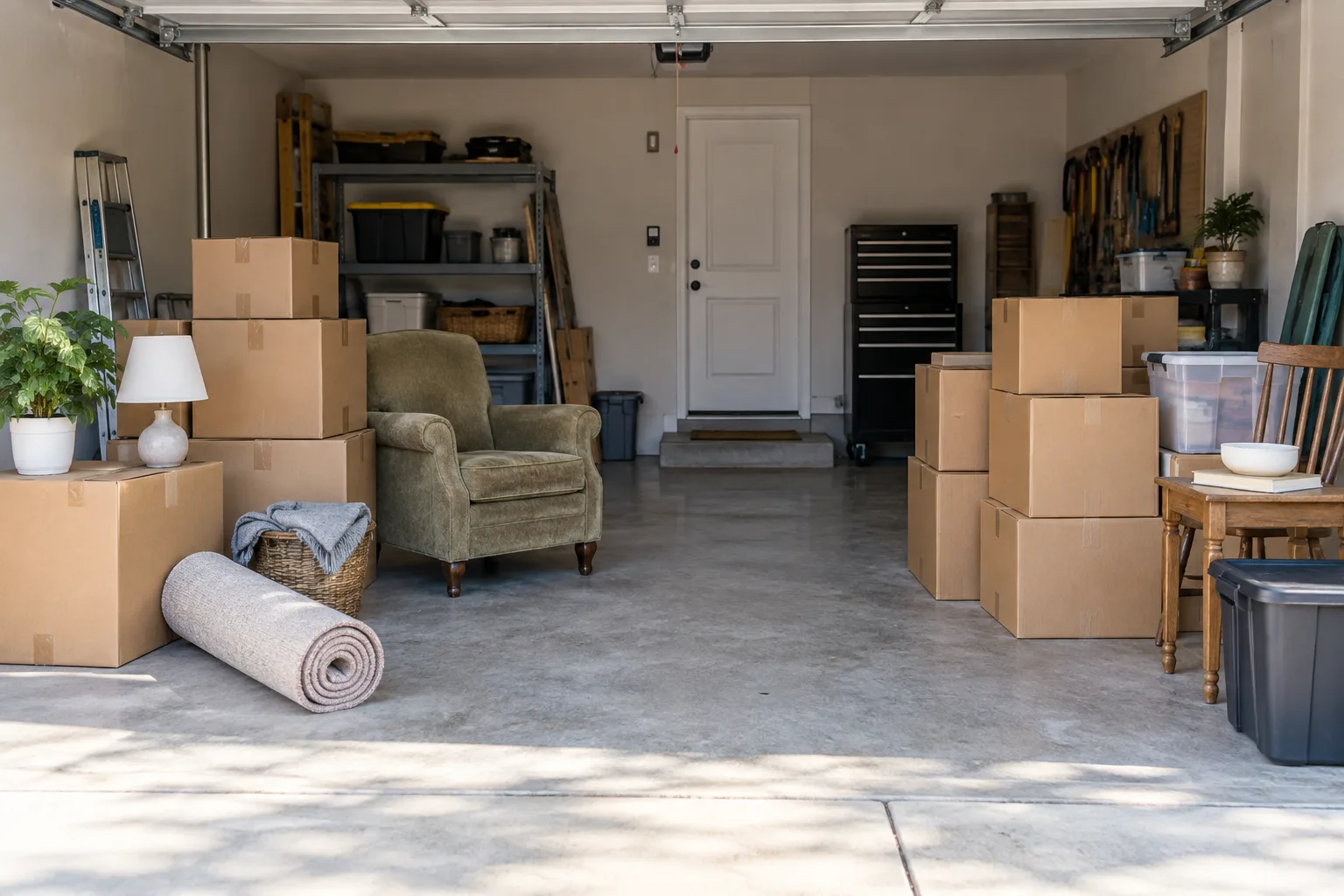
You can prepare for a junk removal pickup in about 30 focused minutes: confirm the item list, separate anything that must stay, clear a safe walking route, identify restricted materials, and send access details before the appointment. You do not need to carry heavy furniture outside unless you have arranged curbside service and can move it safely.
The preparation checklist
- Walk the whole job once. Look in closets, corners, porches, garages, and sheds so the estimate is based on the actual load.
- Mark what stays. Move valuables and important papers to a closed room, your vehicle, or a clearly separate zone.
- Create a usable path. Open gates, secure pets, move vehicles, and clear small trip hazards. Aim for a path wide enough for the largest item.
- Photograph the load and the route. Wide photos show the amount; a separate photo of stairs, narrow halls, or a steep drive shows the work around it.
- Separate restricted material. Pull out paint, fuel, solvents, pesticides, medical waste, batteries, unidentified liquids, and anything sharp or leaking.
- Note disconnections. Ask who handles water, gas, electrical, or refrigerant disconnection before moving an appliance.
- Keep the item list stable. If you add a room or several heavy pieces, tell the crew before loading so the estimate can be updated.
Sort by decision, not by material
Most people lose time making detailed piles for wood, metal, plastic, donation, recycling, and trash. Start with four decisions instead: stays, leaves with the crew, donation you will handle yourself, and restricted material. That is enough to prevent accidental removal and keep the job understandable.
If you want a specific item to reach a donation organization, contact that organization first. Acceptance changes with condition, demand, and storage capacity. A hauling crew can consider donation, but it cannot guarantee that a third party will accept an item.
Leave risky lifting and disconnection alone
A clear route helps. An injured back does not. Do not move a sofa down stairs, tip a refrigerator, cut apart a heavy object, or detach a gas appliance merely to save the crew a few minutes. Describe the obstacle and let the right people plan the handling.
The City of Asheville also lists construction debris, auto fluids, paint, cleaners, pesticides, and similar hazardous materials among the items that do not belong in regular roll carts. Keep those materials out of the removal pile until you have checked the correct route with the responsible authority.
A five-minute pickup-day check
| Check | Why it helps |
|---|---|
| Phone nearby | The crew may call when it is on the way or when access needs clarification. |
| Parking and gate clear | Shorter carries reduce handling and keep the path safer. |
| Children and pets away from the route | Large items can block sightlines and require sudden changes in direction. |
| One decision-maker available | The crew needs one clear answer about what stays, what goes, and whether the estimate is approved. |
| Restricted items separated | No one should discover a leaking container or battery underneath a pile. |
For a garage or whole-room cleanout, walk the space with the crew before loading. Point out shelves, fixtures, built-ins, tools, and storage bins that stay. If the scope changes, pause and review the estimate again.
Have the route and item list ready?
Call with the approximate load, access notes, and pickup address. The crew can tell you what else it needs before scheduling.
Call 828-712-7945Sources checked September 16, 2026
Guidance applies to City of Asheville households unless the source says otherwise. See the City of Asheville preparation and restricted-material guidance. Service process details come from the supplied operating-company pages indexed in 2026.